Contact Boyack Law Group for a 100% free,
no-obligation consultation regarding your accident.
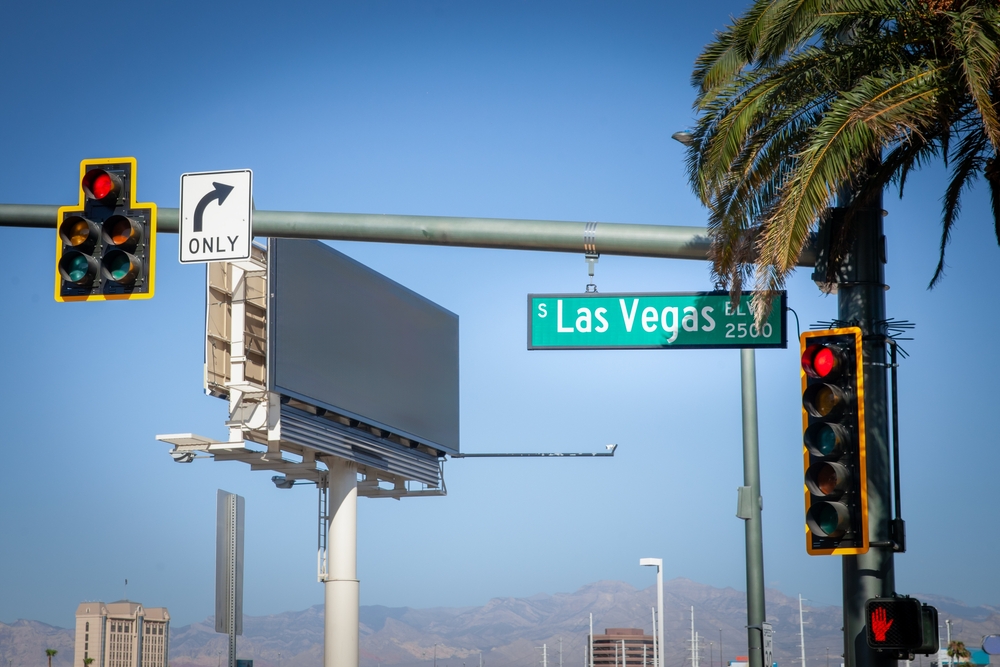
The Most Dangerous Roads and Intersections in Las Vegas: What Drivers Should Know Before Filing a Claim
Las Vegas is known for its busy tourist corridors, twenty-four-hour traffic, and wide arterial roads, all of which contribute to a high volume of serious crashes. When an intersection collision happens, injured drivers and passengers often face painful injuries, missed work, and growing bills. Understanding where many of these crashes occur and why certain locations are so hazardous can help you drive more defensively and better explain what happened in a claim. This overview highlights key crash patterns and what a Las Vegas car accident attorney wants drivers to know before they move forward with an insurance claim or lawsuit.
Dangerous Roads and Intersections in Las Vegas
Intersections are a major source of severe collisions in Nevada, particularly in urban Clark County, where Las Vegas is located. Statewide crash reports indicate that more than ninety percent of fatal intersection crashes in recent years have taken place on urban roadways, with Clark County recording the highest number of deadly intersection crashes in the state. These findings reflect what many local drivers already experience on the ground: high-speed arterial roads meeting at large, signalized intersections where any mistake can have serious consequences.
In recent public reports, the Las Vegas Metropolitan Police Department has identified several intersections with especially high crash counts, including the following:
- Flamingo Road and Rainbow Boulevard
- Eastern and Sahara Avenues
- Charleston and Lamb Boulevards
- Tropicana and Jones Boulevards
- Sahara Avenue and Maryland Parkway.
These locations combine heavy traffic, multiple lanes, turning movements, and frequent red-light violations, which together create many opportunities for side impact crashes and pedestrian strikes. News coverage has also described stepped-up enforcement campaigns at other busy intersections, such as Boulder Highway and Sahara Avenue, and Las Vegas Boulevard near major venues, underscoring ongoing concerns about speed, impairment, and drivers failing to yield.
Wide, fast-moving corridors such as Sahara Avenue, Flamingo Road, Tropicana Avenue, Maryland Parkway, Rainbow Boulevard, and Las Vegas Boulevard itself often appear in crash statistics because they function as major east–west and north–south routes. Long straight segments and higher posted speeds can encourage aggressive driving, while heavy pedestrian activity near casinos, shopping centers, and residential areas adds additional risk.
For drivers, the key point is that dangerous locations are not limited to the Strip. High-crash intersections are scattered across the valley, from the central city to outlying neighborhoods near schools, parks, and residential developments.
Things Las Vegas Drivers Should Understand Before Filing a Car Accident Claim
- Nevada follows a fault-based system, which means the driver who caused the crash is generally responsible for the harm through an insurance claim or lawsuit, so it is important to understand how fault will be evaluated at a dangerous intersection.
- Police reports, photographs, video footage, and witness statements from the scene are critical for showing how the collision happened on a particular road or intersection, especially where there may be disputes about red lights, speeding, or sudden lane changes.
- Medical records that link your injuries to the crash, along with documentation of lost income and other financial losses, form the basis of any settlement demand you or your representative submits to an insurer.
- Nevada law sets deadlines for reporting crashes to authorities and for filing personal injury lawsuits, so waiting too long to act can limit your ability to seek compensation after a serious intersection collision.
- Insurance companies often conduct their own investigations and may argue that you share more fault than you believe, especially at busy intersections where multiple drivers are making quick decisions.
Wrapping Up
Las Vegas drivers face significant risks on wide, high-speed roads and at large intersections where heavy traffic, turning vehicles, and pedestrians all converge. Knowing which roads are most hazardous and how Nevada fault rules and insurance practices work can help you make safer choices and protect your rights after a collision.Schedule a consultation with our car accident lawyers at Boyack Law Group to help you decide the next steps.
Please call Las Vegas Personal Injury Attorney Bryan Boyack at the Boyack Law Group for more info on how we can help.
Call Now